
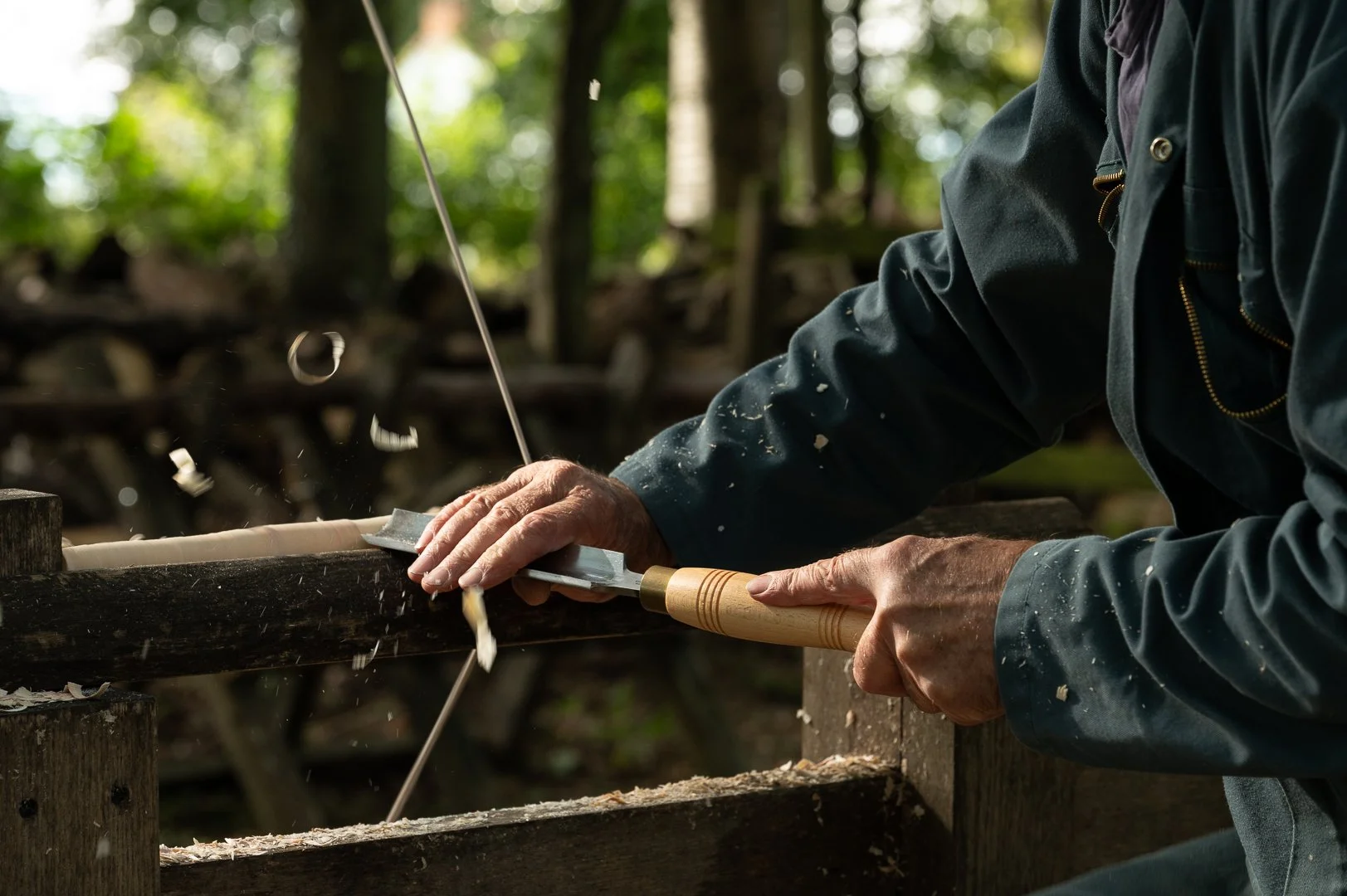
Heritage Crafts: See Traditional Skills in Action
Heritage crafts in the UK are living links to the country’s social, rural, and industrial history, rooted in skills passed down through generations. Practices such as blacksmithing, spinning, bodging, spoon carving, and bucket making developed out of everyday necessity, using locally available materials and deeply practical knowledge. From shaping iron at the forge to turning green wood on a pole lathe, these crafts reflect a close relationship between people, landscape, and labour. They embody not only technical skill but also regional identity, storytelling, and ways of working that predate mass production.
Today, these crafts are valued not just for the objects they produce, but for the cultural knowledge they carry. In an age of industrial manufacturing and digital convenience, heritage crafts offer a slower, more mindful approach to making—one that prioritises durability, repair, and sustainability. Chiltern Open Air Museum showcases heritage crafts ensuring that these skills remain relevant and accessible for future generations rather than disappearing into history.
Heritage crafts and skills can often be seen at the Museum - either as scheduled demonstrations during our day-to-day conservation and living history activities.
See below for dates when there are craft practitioners doing demonstrations at the Museum.
-
Amber Jewellery
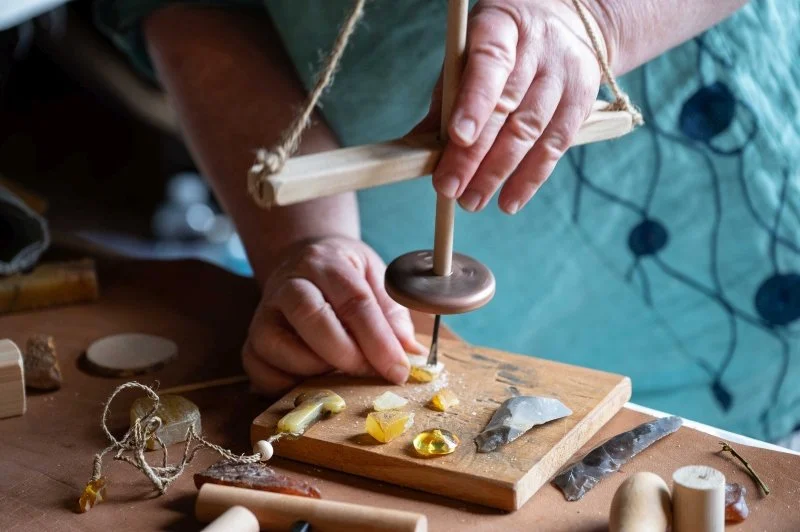
Archaeologist and Amber artist Vanessa Bunton demonstrates how amber jewellery has been made through time.
2 May, 29 Aug and 3 Oct
-
Chair Making
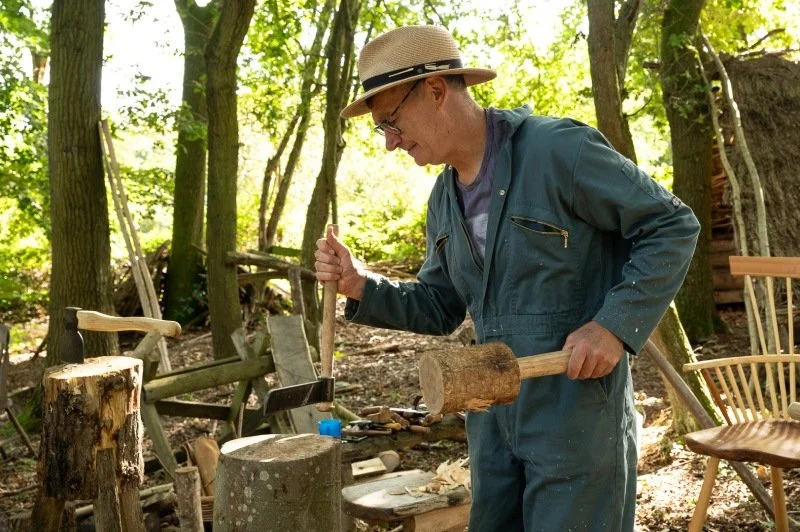
Known as Bodgers, skilled craftsmen would set up camp in woodlands and utilise natural resources to create chairs.
12 April, 10 May, 17 May, 31 May, 20 Sept and 25 Oct
-
Straw Plaiting
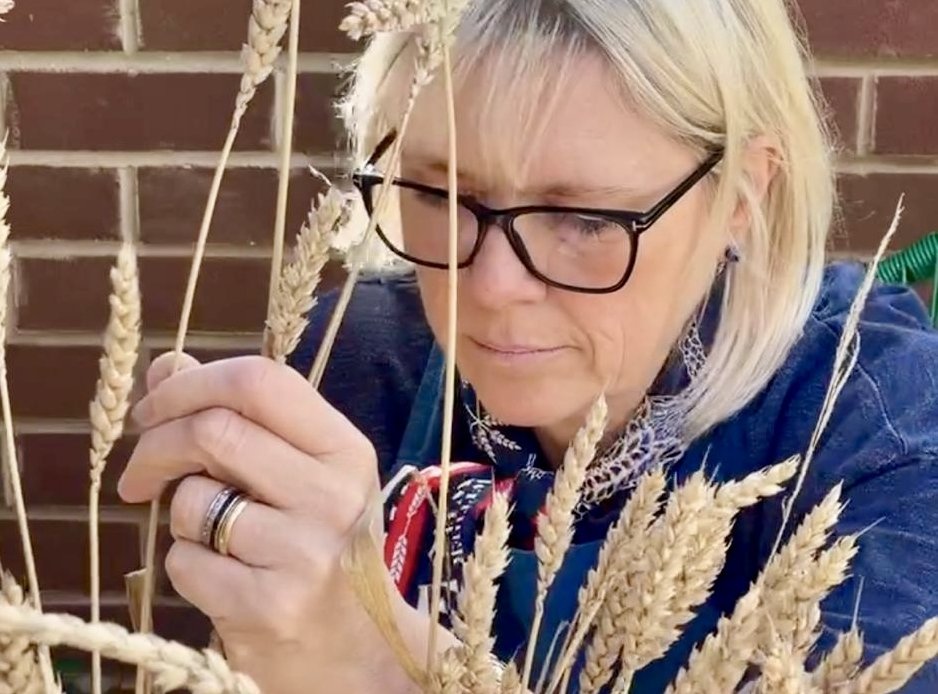
Straw plaiting dates back to the late 16th century in parts of England and Italy, where rural communities braided dried wheat or rye straw into decorative and practical items—most notably hats—forming the foundation of a thriving cottage industry in later centuries.
4 Oct
-
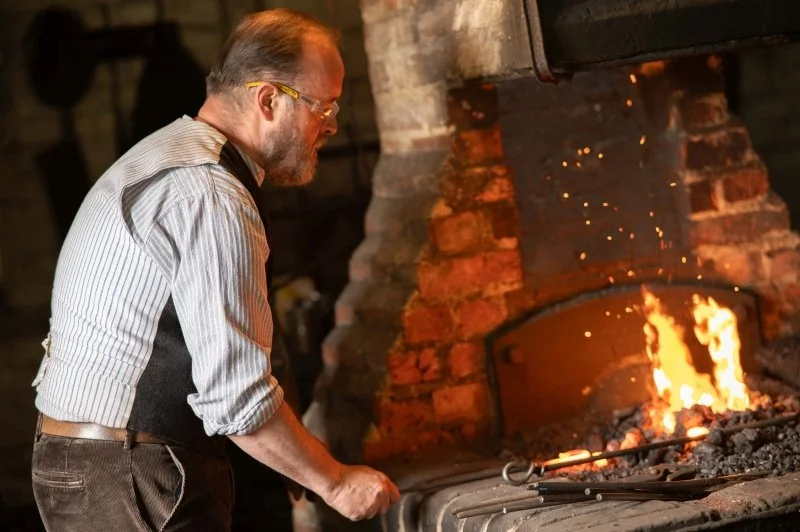
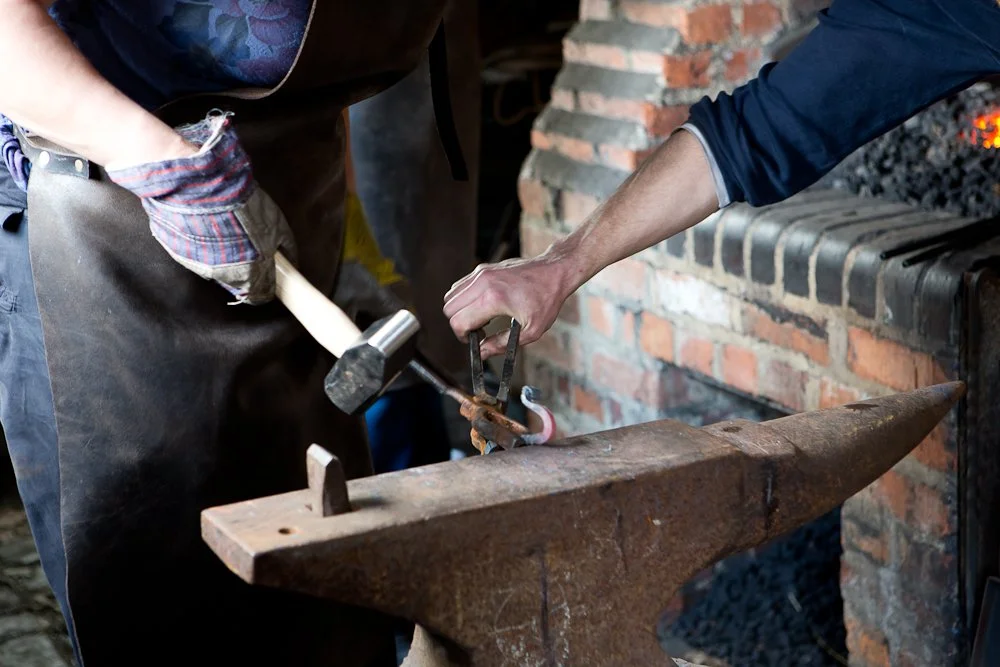
Blacksmithing
Explore traditional ironwork skills in our Victorian Forge with expert blacksmith Mark Harding.
25 & 26 April, 23 May, 20 June, 6 Sept, 12 & 13 Sept and 18 Oct
-
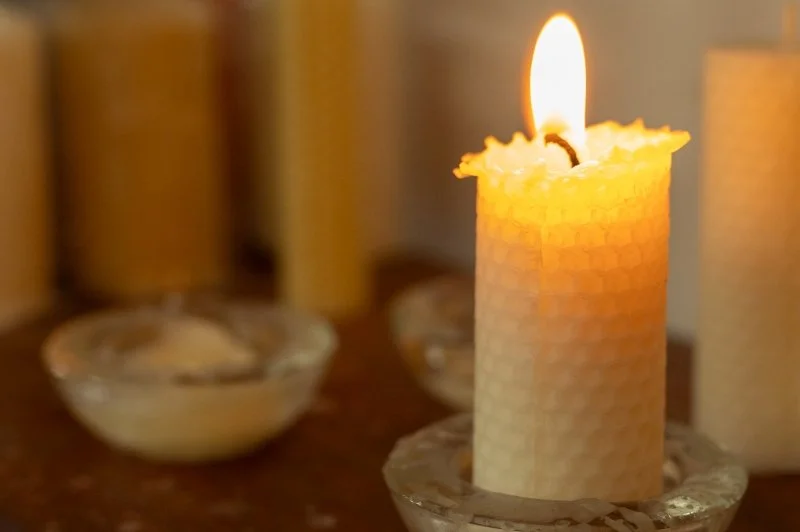
Candle Making
Visit our candle making shop and make a beeswax candle to take home.
Open Saturday & Sunday afternoons
-
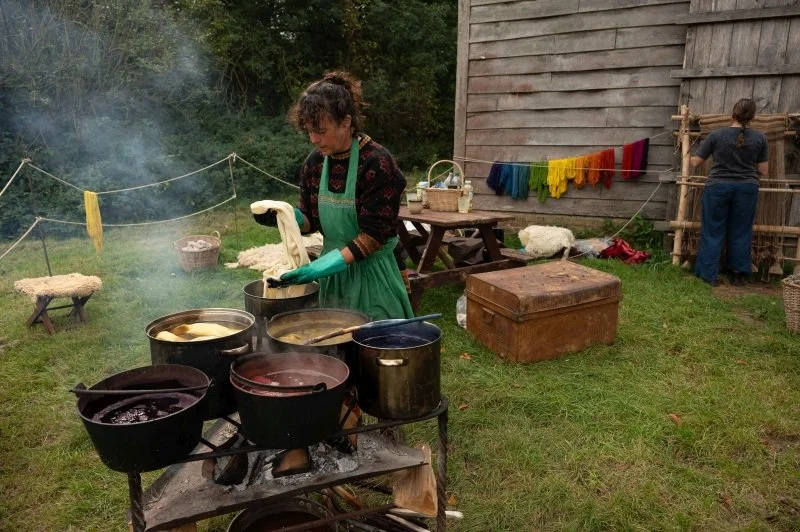
Natural Dyeing & Weaving
The Outside demonstrate the practice of natural dyeing using plant materials alongside traditional weaving techniques.
24 & 25 Oct
-

Traditional Cooking or Baking
Join volunteers Jenny and Steve as they demonstrate how cooking or baking has changed through time as we demonstrate traditional techniques in our heritage homes.
10 May, 21 June, 25 & 26 July, 26 & 27 Sept
-

Rope Making
Watch multi-skilled heritage master craftsman, Alan Paulus, in action as he demonstrates traditional ropework.
11 July
-
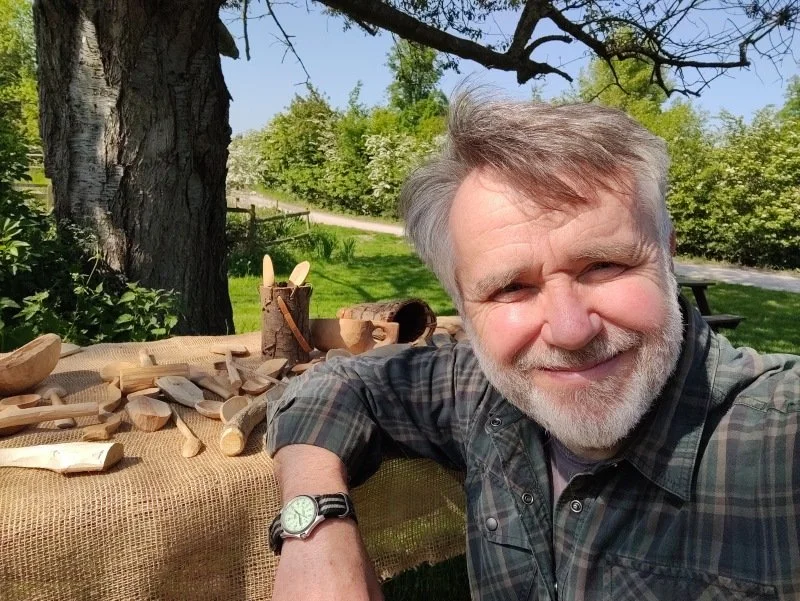
Spoon Carving
Watch local bushcraft expert, David Willis, spoon carving and find out about the history of this ancient craft.
6 June and 4 July
-
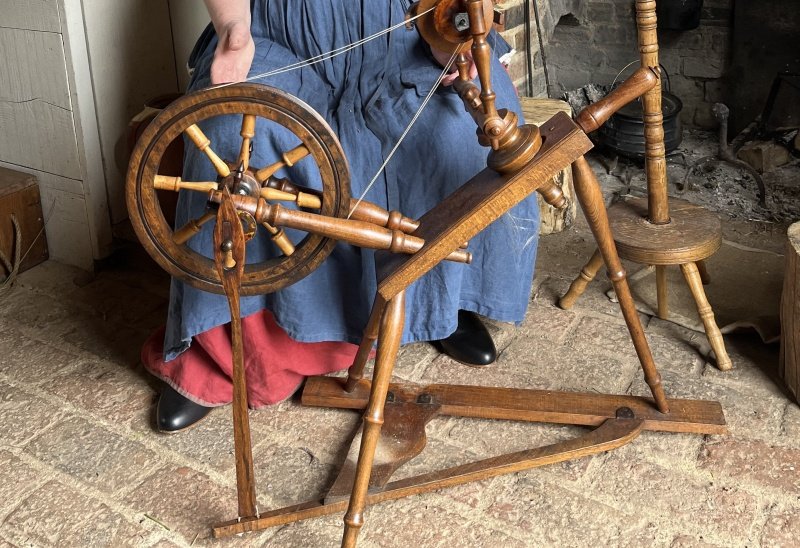
Spinning
One of the traditional cottage industries - spinning using wool or flax has been part of Chilterns heritage for centuries.
16 & 17 May and 18 to 30 July
-
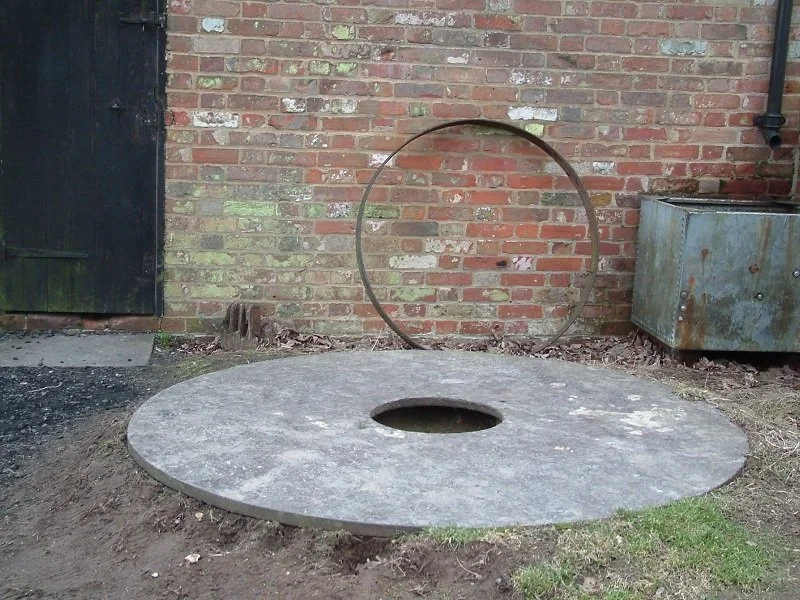
Wheelwrighting
Wheelwrights were essential craftsmen, designing and repairing wooden wheels for carts, wagons, and carriages. They would use a Tyring Platform to put the iron rims onto wooden wheels.
30 May
-
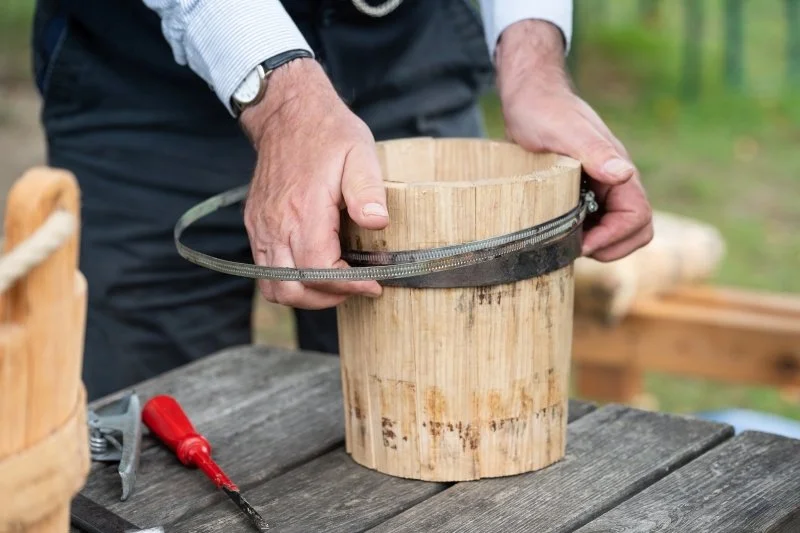
Bucket Making
Watch multi-skilled heritage master craftsman, Alan Paulus, in action as he demonstrates traditional bucket making.
11 April, 5 Sept, 19 Sept
-
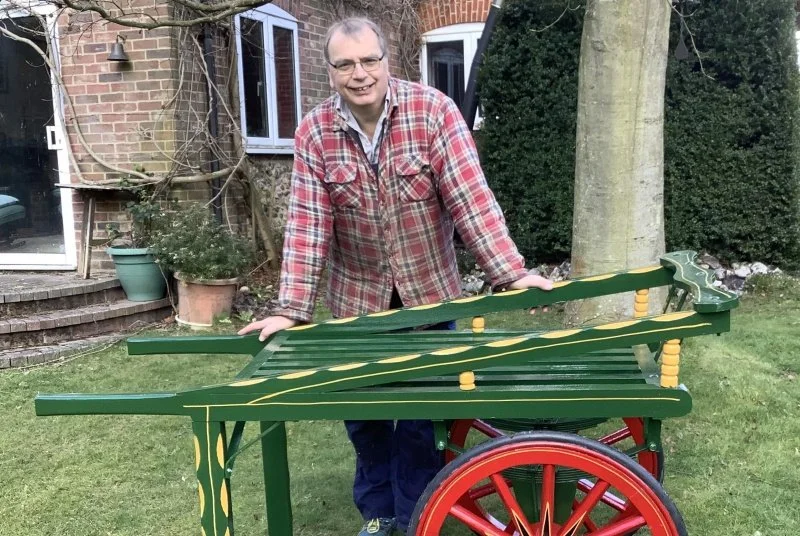
Decorative Coach Painting
Coaches and carts were painted with decorative features. Multi-talented craftsman Alan Paulus continues this tradition, showing us pinstriping the wheels and body of a costermongers cart he has made.
-
Decorative Leatherwork
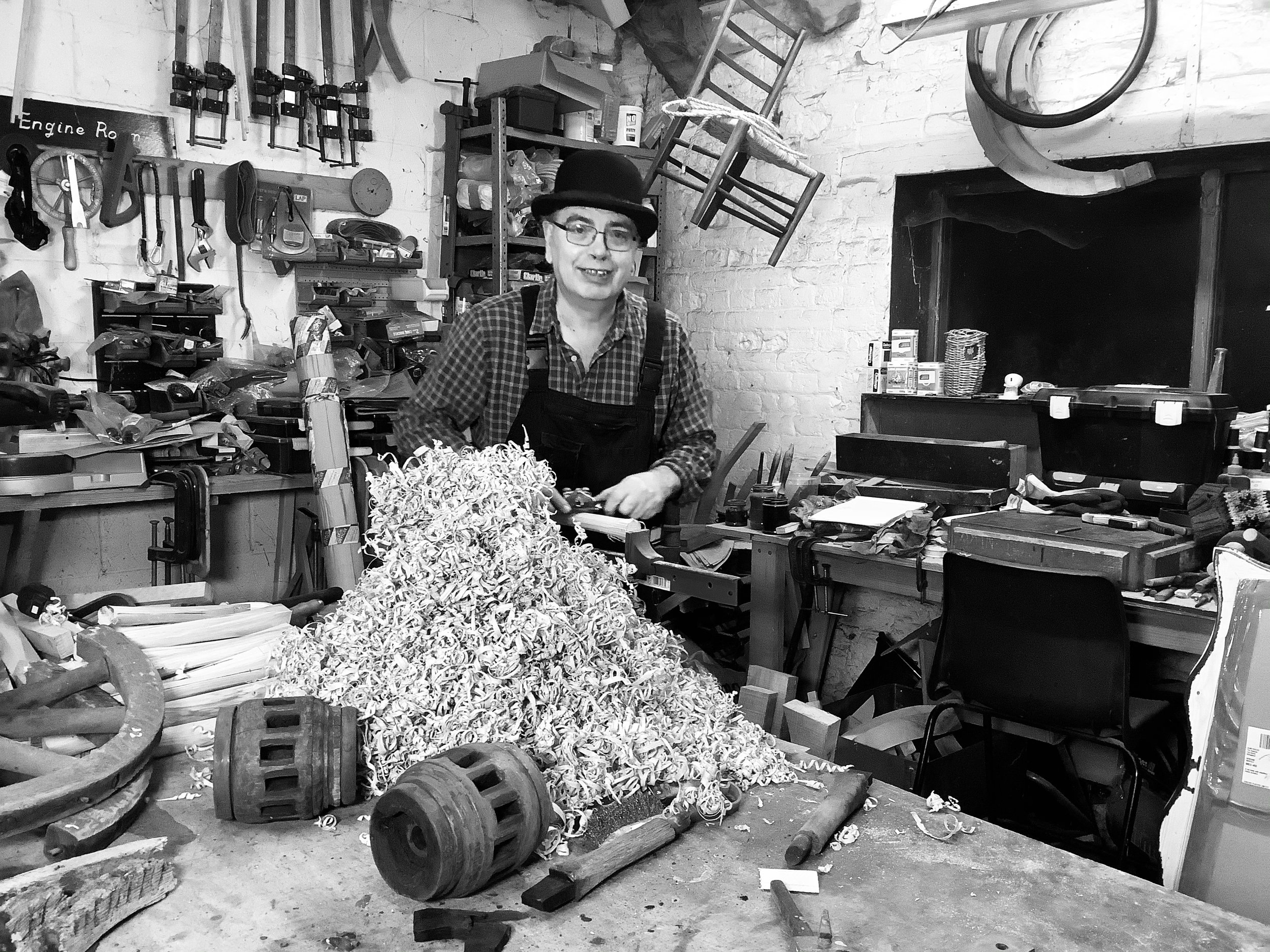
The tradition of working leather to make decorative items has been around for centuries. Alan Paulus will be demonstrating leatherworking techniques and visitors can have a go at making a leather pendant or key ring.
12 July
-
Rag Rug Making
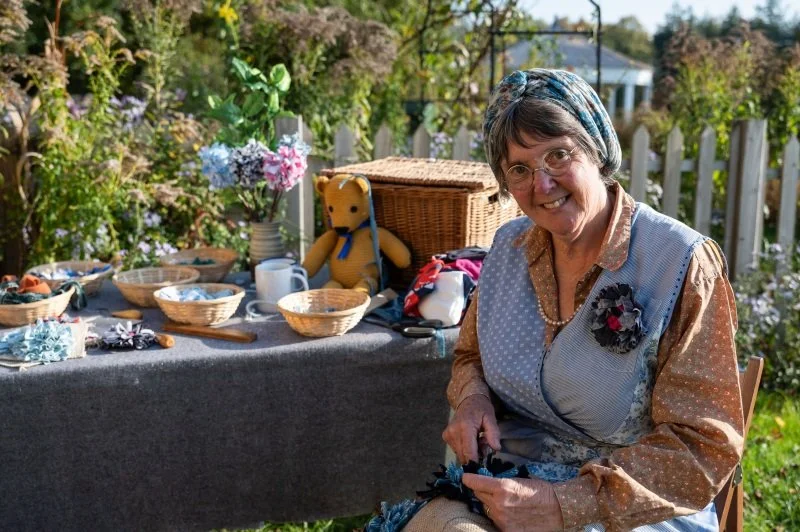
Rag rugs were made using worn or surplus textiles—such as old clothing, sacks, and fabric scraps.
-
Lacemaking
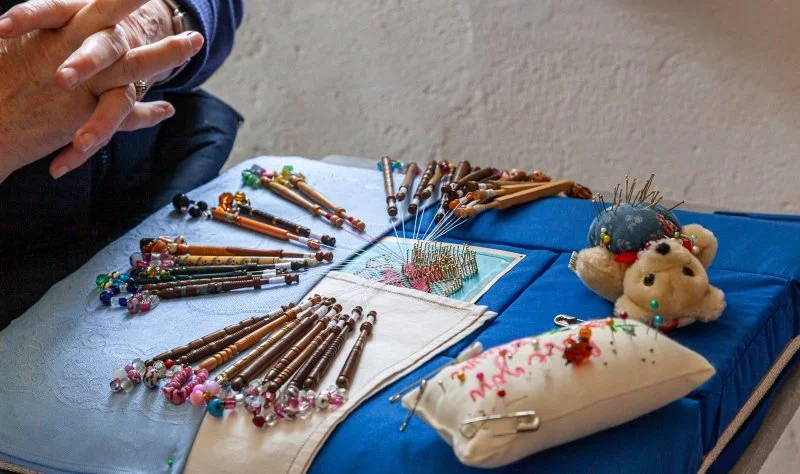
Lacemaking is a delicate and highly skilled traditional craft with a long history in the Chilterns.
-

Flint Knapping
Flint knapping is one of the oldest crafts in the Chilterns, where flint is naturally found in the chalk hills.
-
Charcoal Burning
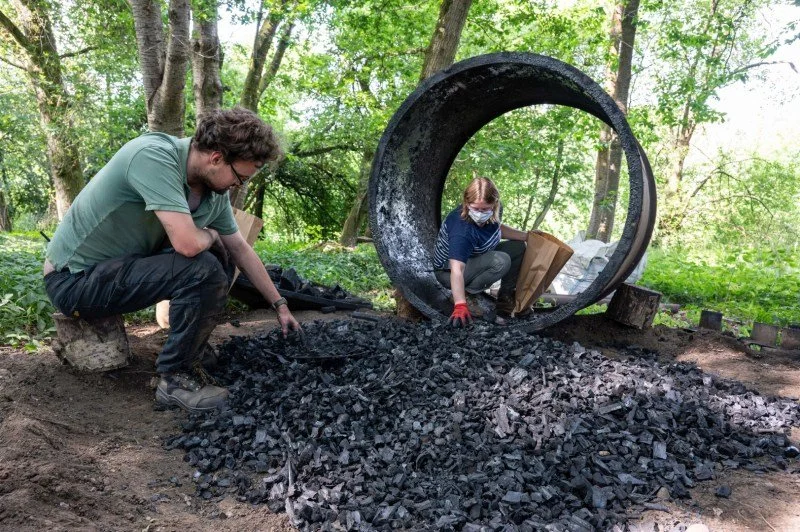
Charcoal burning was an important industry in the Chilterns for many years, supplying the essential fuel for Ironworking in the area.
-
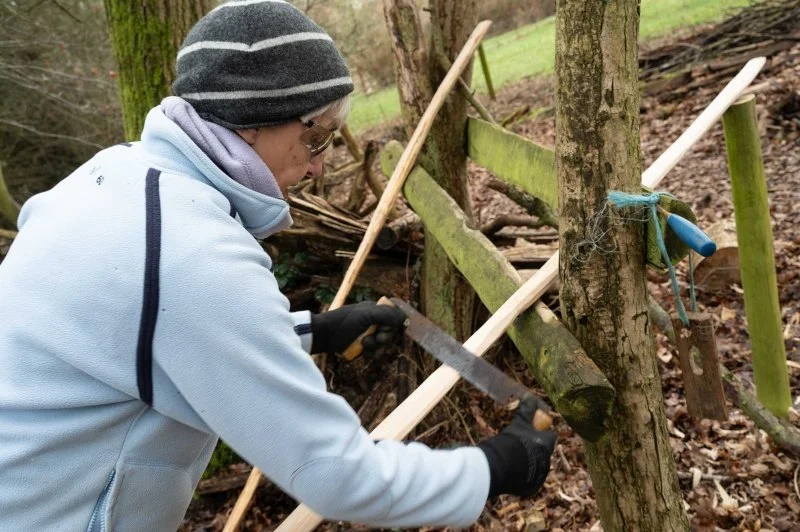
Hurdle Making
Agricultural workers would often make traditional fence panels called hurdles by carving branches and slotting them together.
-
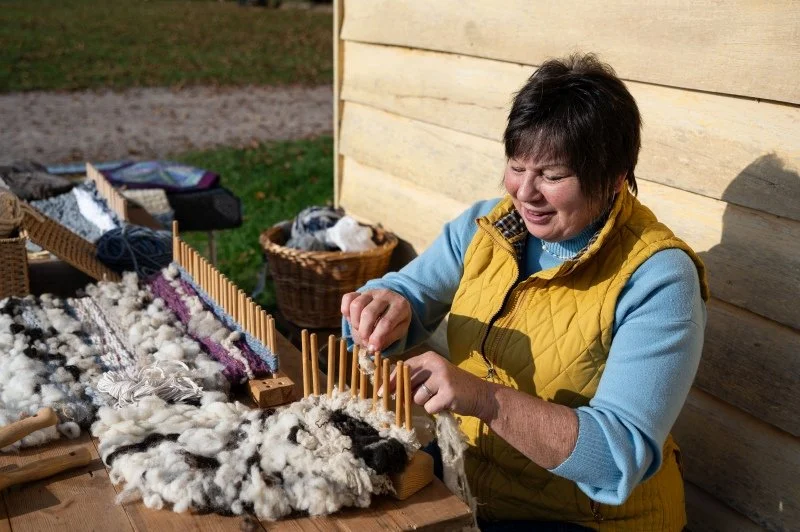
Peg Loom Weaving
Peg loom weaving is an ancient, simple, and portable method of creating textiles by weaving yarn or fibre through warp threads held by pegs on a wooden frame.
10 Oct
-
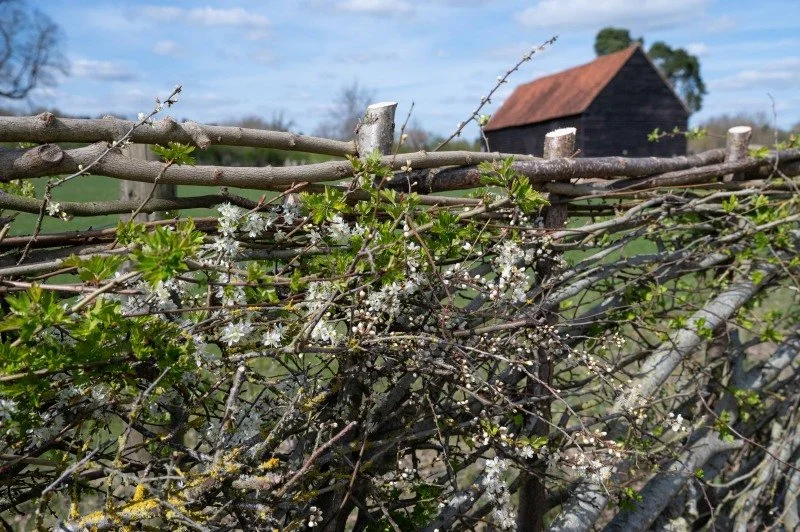
Hedge-laying
Hedge-laying is a traditional skill which has been carried out in Britain for hundreds of years. Today, hedge-laying is valued not only for its agricultural function but also for its role in preserving rural heritage and supporting wildlife habitats.
-
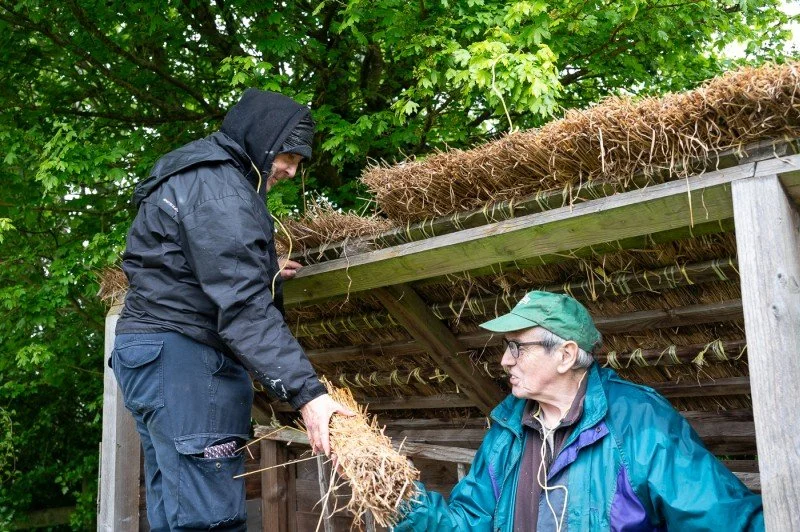
Thatching
Many of the buildings at the Museum have thatched roofs. Our volunteers can sometimes be found replacing the thatch on some of our smaller structures. Thatching is valued today for its sustainability, insulation properties, and distinctive historic character.
-
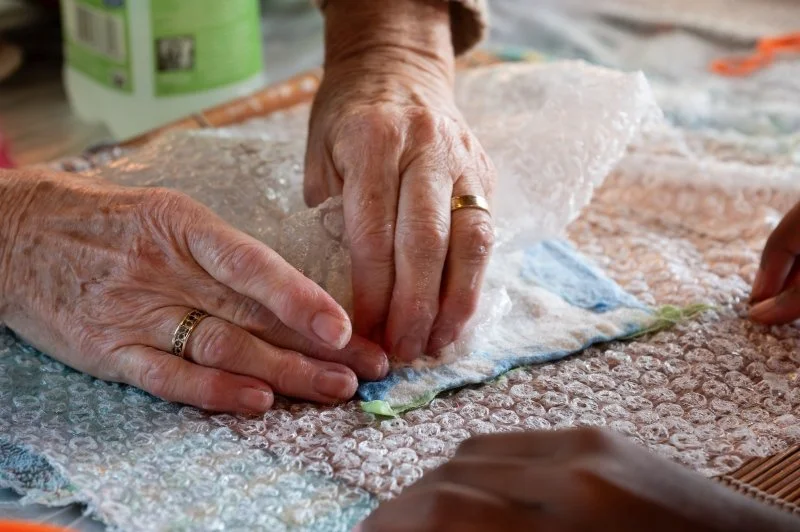
Felting
Wet and dry felting are traditional textile techniques with roots stretching back thousands of years. Together, these techniques have evolved from practical craft traditions into widely practiced forms of contemporary textile art.
-
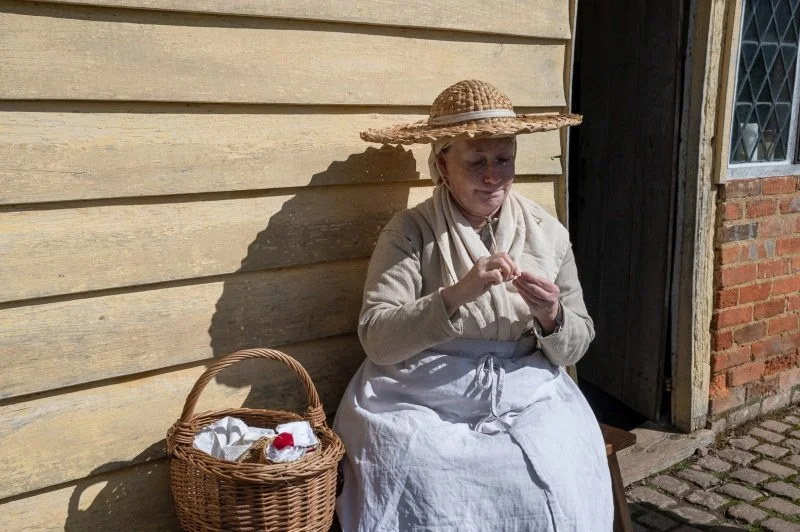
Cloth Button Making
Making buttons from scraps of material became especially common in the 18th and 19th centuries, when families across Europe and North America reused leftover fabric to create tightly wrapped or stitched cloth buttons—an economical and creative practice linked to the rise of home dressmaking during the Industrial Revolution.
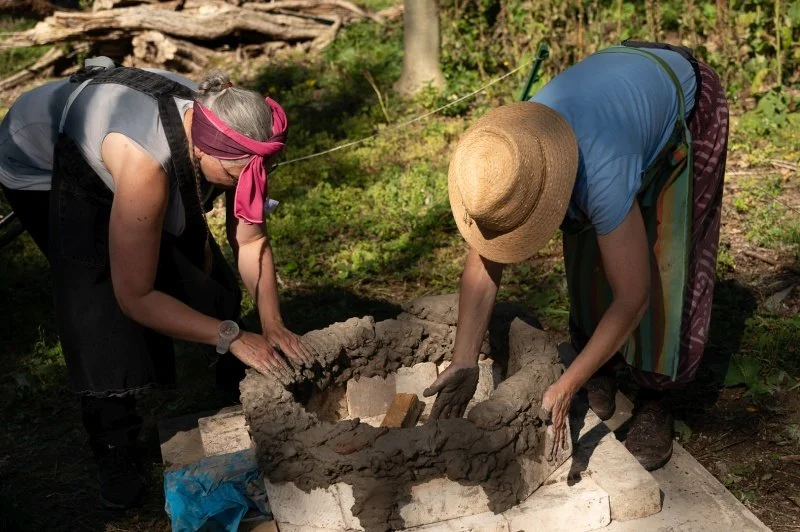
Dacorum & Chiltern Potters Guild
The Dacorum & Chiltern Potters Guild have a base at the Museum where they can often be found preparing outdoor kilns for firing or emptying the kilns of their fantastic creations. They also run hands-on-clay workshops for families during our Terrific Tuesdays.
Hands-on Heritage Craft Workshops
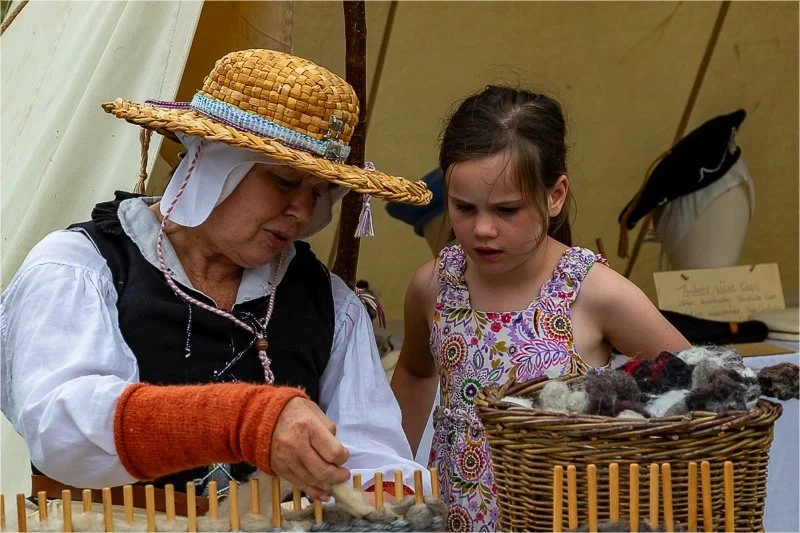
Heritage Craft Weekend
In July each year we showcase Heritage Crafts from around the Chilterns during our Heritage Craft Weekend. Bringing together makers of all kinds and celebrating their skills.
If you'd like to attend multiple Museum events and general admission days, you can save money by purchasing an Annual Membership
General Museum Information
With 45 acres at your disposal, there is plenty to explore, including woodlands and an exciting adventure playground
Dogs on short leads are welcome but must not go inside residential buildings
Light lunches, drinks, cakes and snacks are available to purchase from our Skippings Barn
Sensory backpacks are available to borrow (subject to availability)
Mobility scooters are available to borrow (subject to availability - pre-booking is advised)
Lots of free parking
Photography and filming may take place during this event for the Museum archives and publicity. These photographs and video footage may appear in promotional or educational materials including on our websites, social media pages, newsletters, or in newspapers and magazines. If you do not wish to be photographed, please speak to the photographer.