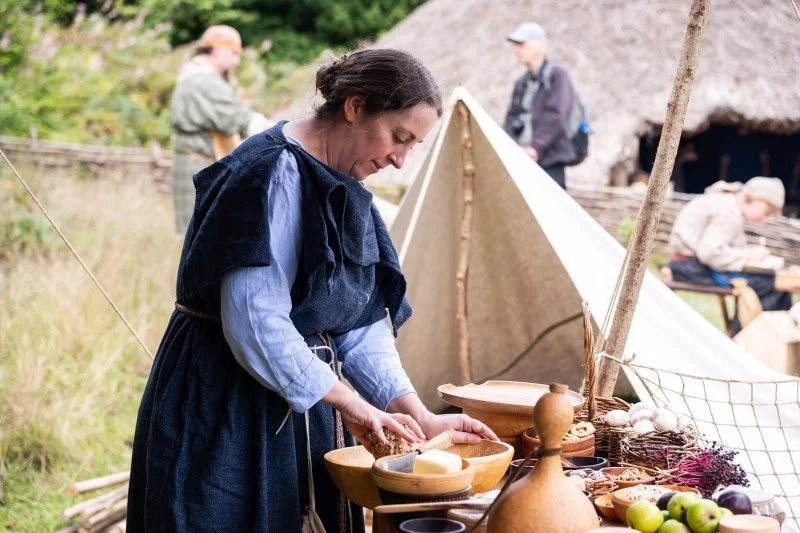
A Brief History of Bread Baking: From the Iron Age to the 20th Century
Bread baking was a constant feature of life in our historic homes, from the Iron Age roundhouse to the 1940s prefab and now Museum volunteer Jenny Templeton gives us an introduction to the history of bread baking.
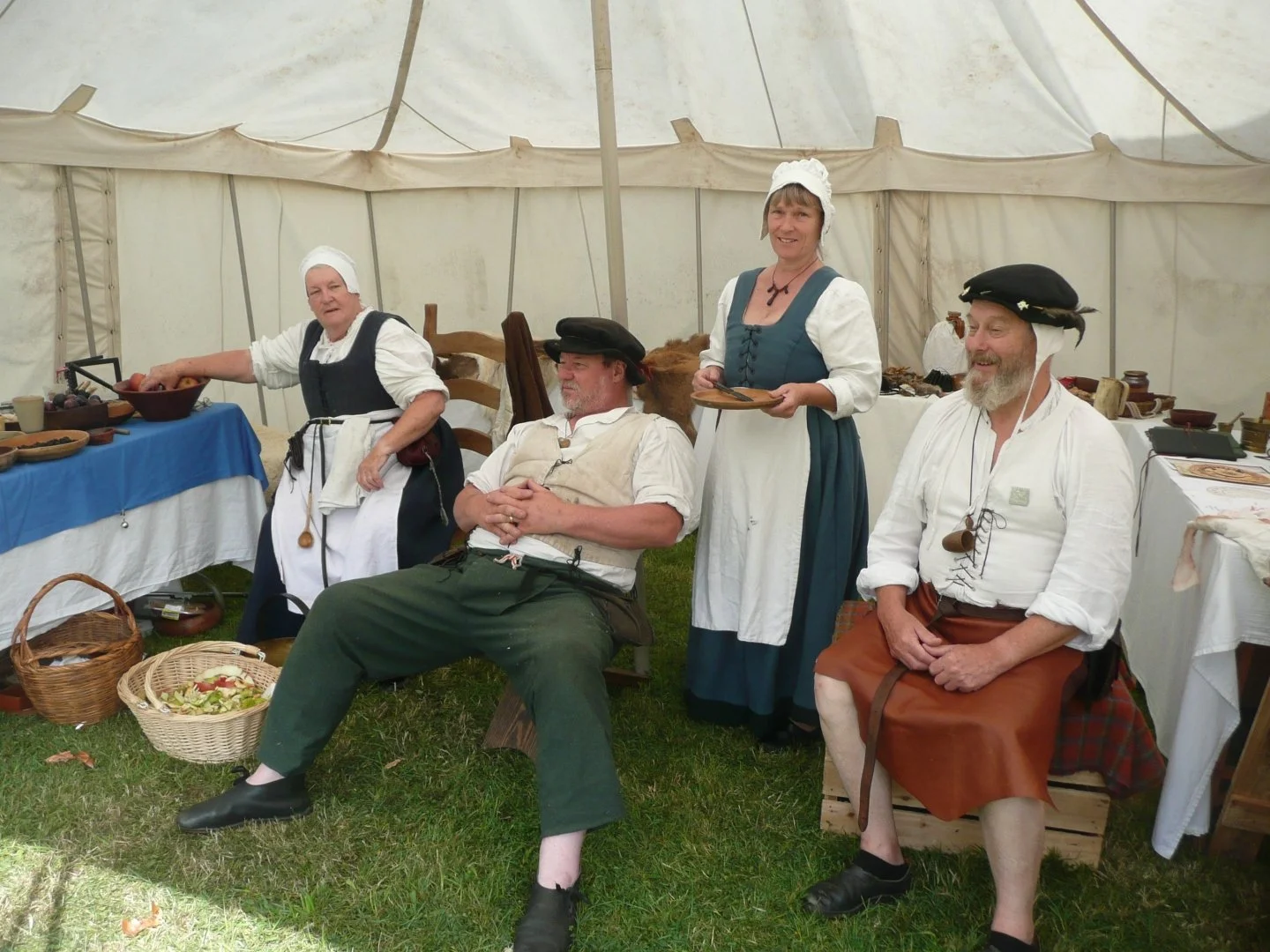
Tudor Life in the Chilterns
We explore how people in the Chilterns lived and worked during Tudor times.
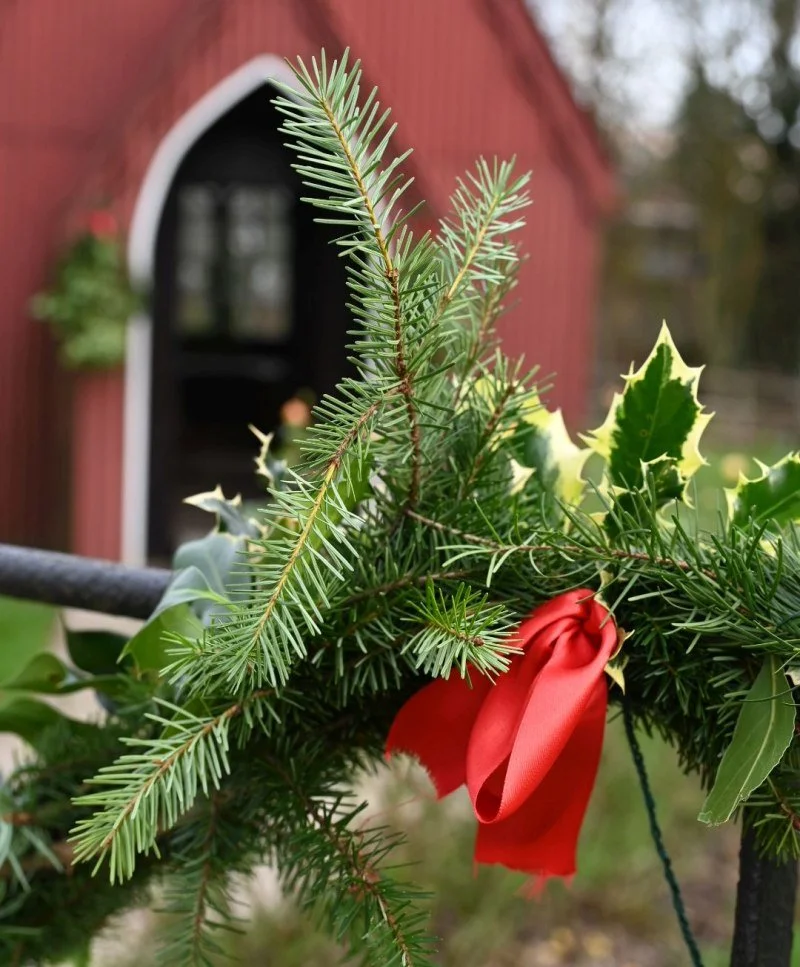
Boxing Day in the Chilterns: A Tradition Rooted in History and Community
Boxing Day, celebrated on 26 December, is a much-loved part of the British festive season. Today it’s associated with brisk countryside walks, leftover turkey, sport on the television and a spot of shopping. But the history of Boxing Day goes back centuries and is deeply rooted in ideas of charity, community and rural life - values that mean a lot to us here at Chiltern Open Air Museum.

Living Conditions Through the Years
Step back in time at Chiltern Open Air Museum and explore how home life and comfort have evolved through history. From the smoky Iron Age roundhouse and simple timber cottages to the Victorian wychert home and modern 1940s prefab, discover how living conditions changed over the centuries and what “comfort” once meant.

The Gunpowder Plot & Bonfire Night: The Story Behind the Sparks
Discover the fascinating story behind Bonfire Night. Learn how the failed Gunpowder Plot of 1605 inspired centuries of fireworks, bonfires, and community celebrations across Britain. Explore the history of Guy Fawkes and the traditions that light up Buckinghamshire each November.

The Other Jekyll: Walter, Robert Louis Stevenson’s Friend and Gertrude’s Brother
Explore the story of Walter Jekyll — brother of famed Arts and Crafts garden designer Gertrude Jekyll and friend of Robert Louis Stevenson. His name inspired Dr Jekyll and Mr Hyde and connects to the Jekyll garden design tribute at Astleham Garden, Chiltern Open Air Museum, where her naturalistic planting style lives on.

Liberty of London’s Chiltern Connections
The luxury department store Liberty of London is known around the world for its close connection to art and culture but did you know that it has its roots in the Chilterns?

The “Bloody Code”: Crimes and their Punishments in the 18th Century
Crimes and their punishments were often utterly bizarre in England until well into the 19th century and were extremely unequal and unfair. We take a look at the British Legal System in the 17th Century and its legacy.

Chalk, Cherries and Chairs: The History of the Chilterns
The Chiltern Hills have enjoyed sustained prosperity over centuries thanks to a rich blend of geography, geology, and human ingenuity. We explore the origins of the Chilterns and why the area is so special.

The History of Newland Park
Chiltern Open Air Museum is based within the old grounds of Newland Park in Chalfont St. Giles. We take a look at some of the history of the house and surrounding area including Gott’s Obelisk.

Women’s History Month: Women’s Work
For many years, women were not allowed into the professions and yet they performed a key role in the running of a household and a family. Their craft skills often provided much needed income for the family and women also worked alongside their husbands in small family businesses.
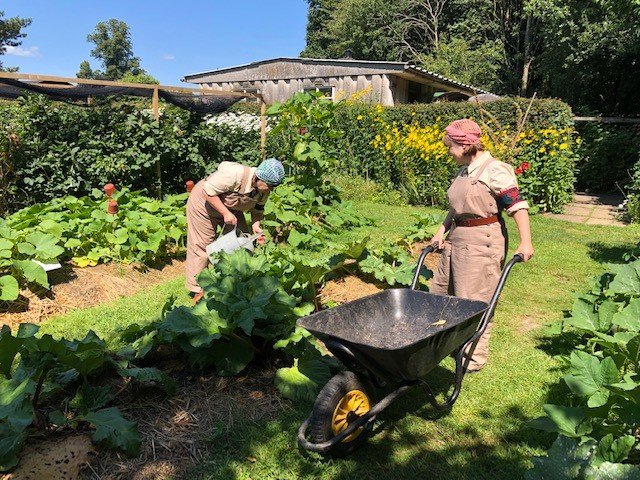
Women’s History Month: Land Girls - the Women Who Fed the Nation
Every March Women's History Month raises awareness of the contributions women have made to events through history and society. This week two of our volunteers look at the impact the Land Girls had during WW2.
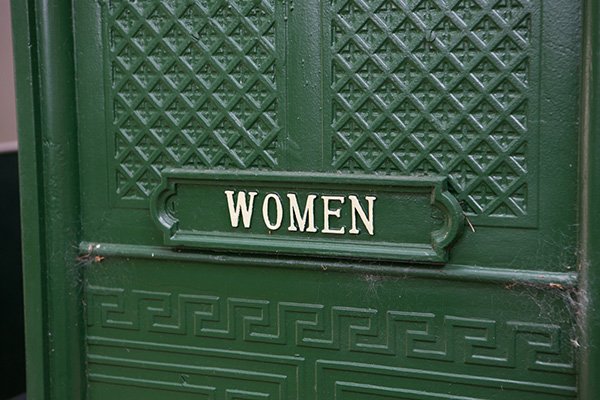
Women’s History Month: Edwardian Public Toilets and Social History
The Museum is rightly proud of its Edwardian public conveniences. The building represents a much greater issue in our social history. Had it been erected a few years earlier, there would have been no need for the ‘WOMEN’ sign because public toilets were generally not provided for women in Victorian Britain.
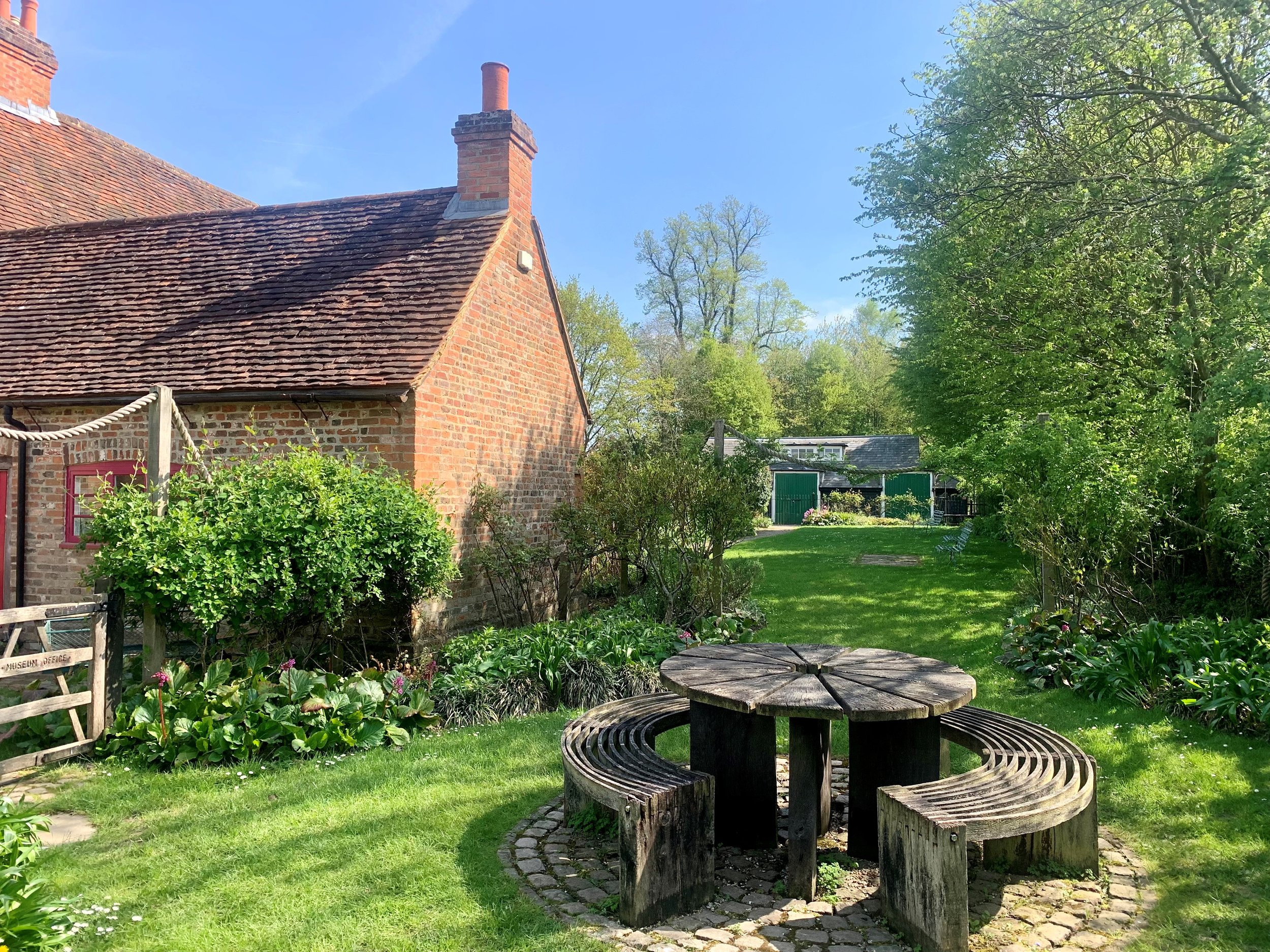
Women’s History Month: The Legacy of Gertrude Jekyll
Every March Women's History Month raises awareness of the contributions women have made to events through history and society. In the first of a series of articles, we're looking at the legacy of garden designer Gertrude Jekyll.
Astleham Manor Cottage garden, apple orchard and Orchard Garden were inspired by the designs of Gertrude Jekyll, who was influential in shaping garden design during the early 20th Century. The geometric layout of the garden is softened by the planting style reminiscent of old English cottage gardens. Gertrude Jekyll pioneered this approach to garden design and it came to characterise many Arts and Crafts gardens.

Chiltern Towns and Villages : What’s in a Name?
Discover the origins of the names of Chiltern towns and villages that once were home to our historic buildings.
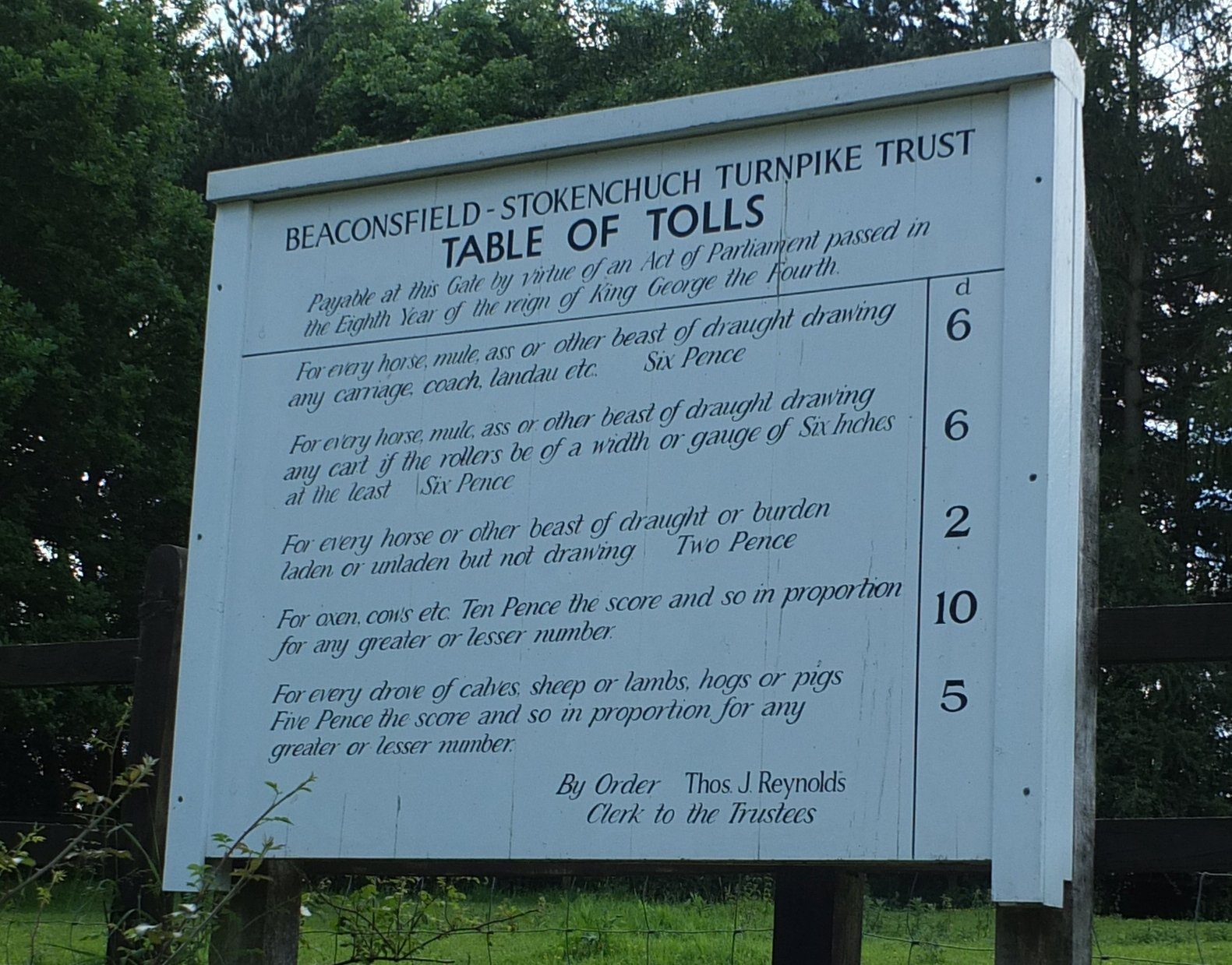
Chiltern Rural Life: How Roads Changed Through the Centuries
Before the 18th century, the people of the Chilterns lived in a largely rural landscape of remote villages, hamlets, farmsteads, and market towns along the main roads. Discover how the development of the roads changed travel in the Chilterns.

Who were the Suffragists and Suffragettes?
Women’s suffrage societies that campaigned for the right to vote began to appear in Britain in the middle of the 19th century. Their members called Suffragists believed in peaceful, constitutional ways to promote votes for women.

The life of country children
Country life for working families before the early 20th century was not at all as some popular paintings portray – roses around a cottage door, and happy and healthy children playing in a well-cared for garden. We discover how country children lived in the past.

What were the Swing Riots?
Find out about The Labourers’ Revolt, commonly known as Swing Riots, which was mainly rooted in the poor living standards and impoverishment of agricultural workers for more than fifty years.

Children's Games
Do children play games just to pass the time or do they have another significance?
Finding Us
Newland Park, Gorelands Lane
Chalfont St Peter HP8 4AB