
Disraeli: Famous People of the Chilterns
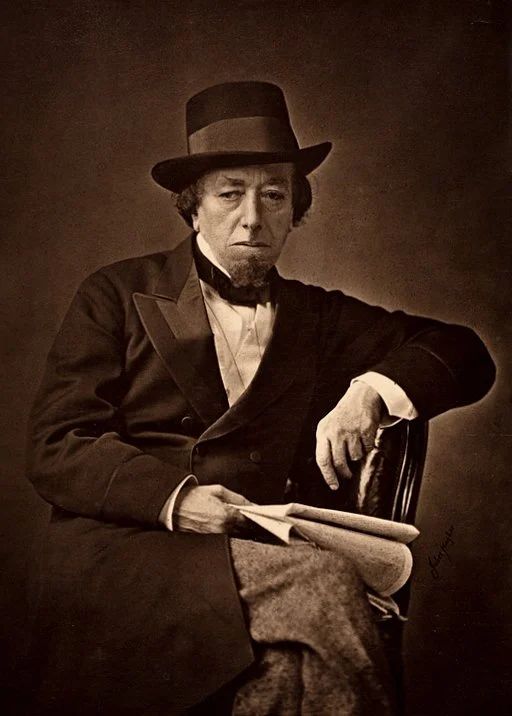
Benjamin Disraeli, Cornelius Jabez Hughes, 1878, Public domain, via Wikimedia Commons
Benjamin D’Israeli, who later changed his name to Disraeli, was born on 21 December 1804 at 6 King's Road, Bedford Row, Bloomsbury, London. He was the second child and eldest son of Isaac D’Israeli, a literary critic and historian, and his wife, Maria.
He had a relatively unremarkable middle-class childhood, did not attend a prestigious school and did not study at Oxford or Cambridge. Yet he went on to become one of the most recognisable politicians of the Victorian era, serving twice as Prime Minister and becoming a major figure in the development of the Conservative Party.
Disraeli and the Chilterns
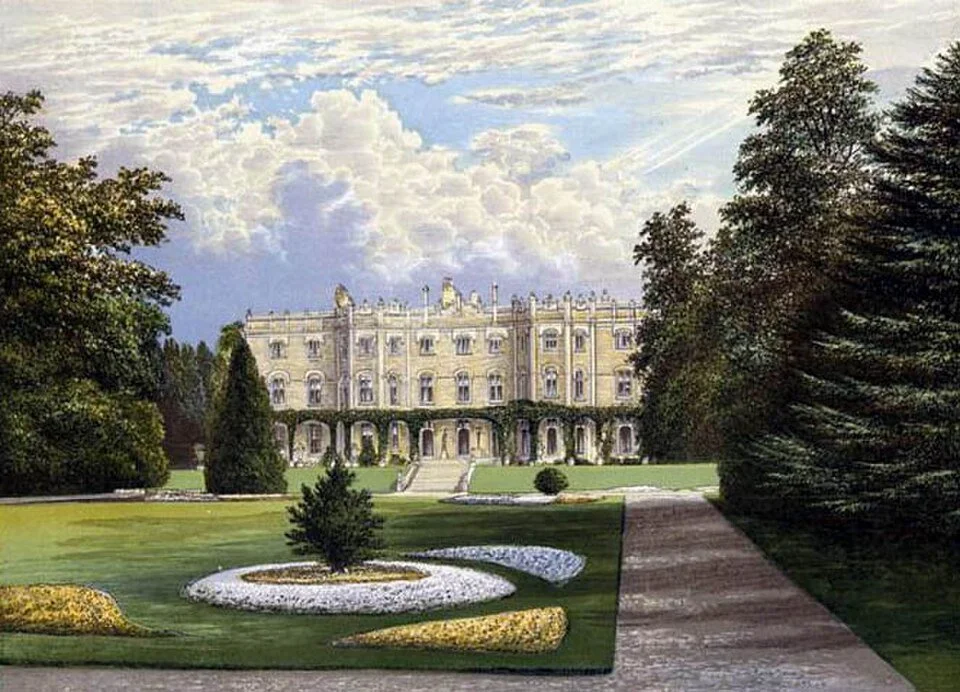
Hughenden Manor in Buckinghamshire, England, Morris's Country Seats, 1880, Public domain, via Wikimedia Commons
Disraeli's connection with the Chilterns began relatively early in his life. His family moved to Bradenham Manor, near High Wycombe, in 1829, and the area became an important part of both his personal and political life.
In 1848, Disraeli and his wife Mary Anne purchased Hughenden Manor, just outside High Wycombe. The house became their much-loved country home and provided Disraeli with a retreat from the pressures of political life in Westminster. He also became closely associated with Buckinghamshire, representing the county in Parliament from 1847.
Hughenden remained his home for the rest of his life and is perhaps the strongest surviving link between Disraeli and the Chilterns today. The house and surrounding landscape reflect both his political success and the private life he enjoyed away from Westminster.
Prime Minister and Queen Victoria
Disraeli first became Prime Minister in 1868 and returned to office in 1874, remaining Prime Minister until 1880. His career was particularly remarkable given his unconventional background and the barriers he had faced on his way into politics.
He also developed one of the warmest and most politically significant relationships between a monarch and Prime Minister in the 19th century. Queen Victoria regarded Disraeli with considerable affection, while he understood particularly well how to charm and flatter her.
He is famously remembered for saying:
“Everyone likes flattery; and when you come to Royalty you should lay it on with a trowel.”
Their relationship was more than simply political, and Queen Victoria visited Hughenden Manor in 1877.
Disraeli's wit apparently remained with him until the end of his life. During his final illness, when asked if he would like to receive a visit from Queen Victoria, he is reputed to have replied:
“No, better not. She would only ask me to take a message to Albert.”
Disraeli died on 19 April 1881 and was buried at St Michael and All Angels Church beside Hughenden Manor. Queen Victoria later visited his grave, a fitting indication of the close relationship they had shared.
Today, Hughenden Manor remains one of the Chilterns' most important connections with Victorian political history and tells the story of a man who, despite an unconventional start in life, rose to become one of Britain's best-known Prime Ministers.
Disraeli’s home at Hughenden is now a National Trust property.